Stories That Remain.
I photograph people, places, culture and everyday moments with the intention of preserving more than an image. I want to capture something you can feel, remember and return to.
Look Closer.
Documentary photography gives me a reason to slow down and pay attention.
I photograph what is happening around me. People. Communities. Streets. Culture. Buildings. Wildlife. Everyday life. The moments we often walk past without noticing.
These photographs come from Lagos, Nigeria, The Gambia and the places I have been fortunate enough to experience.
The Market Is Alive.
There are places you don't simply visit. You experience them.
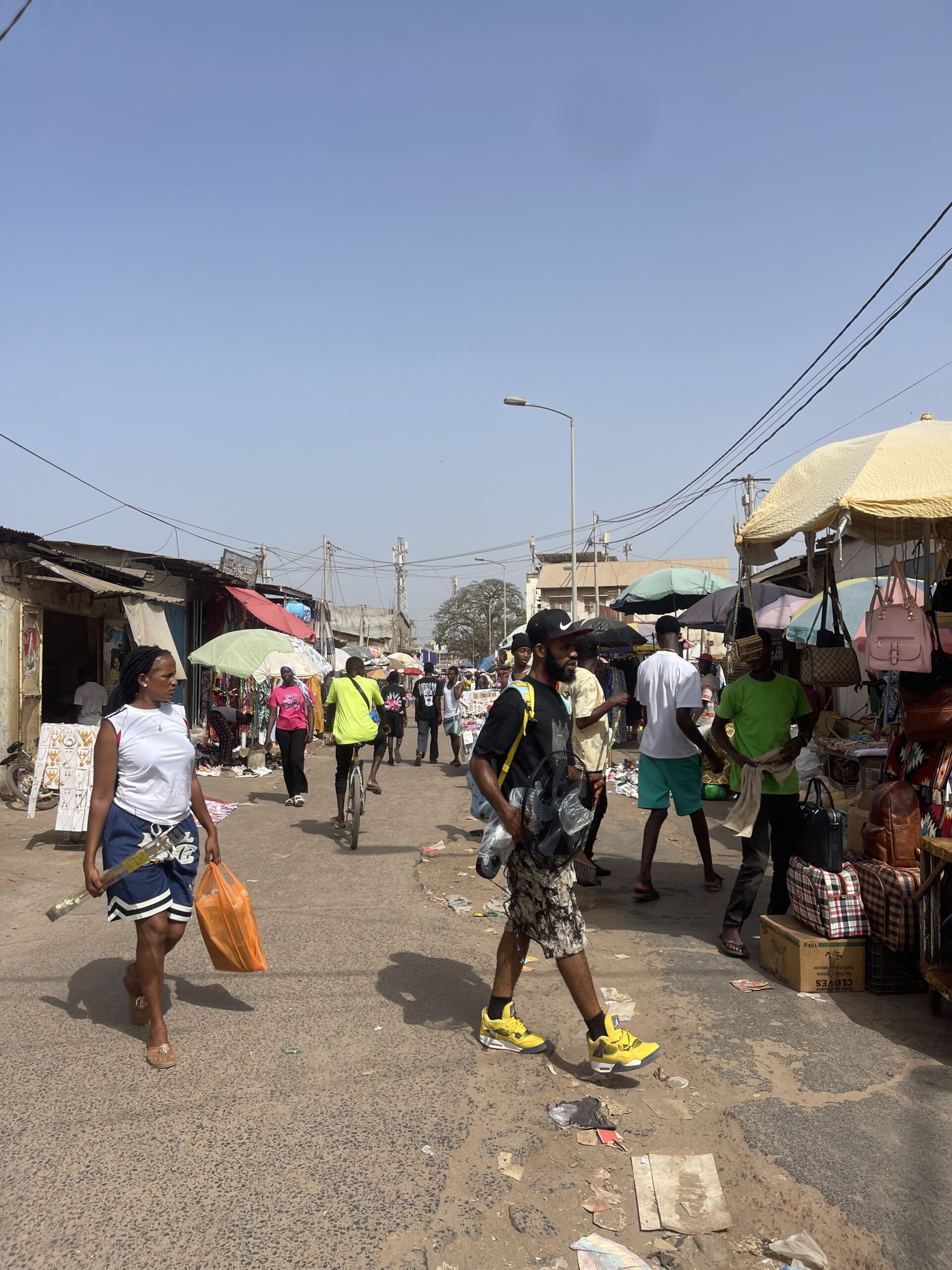
Serekunda Market was one of those places for me.
People moving in every direction. Traders calling out. Colours competing for attention. Goods displayed along the road. People carrying what they came to buy while others were simply passing through.
I wasn't interested in photographing a market as a tourist attraction. I wanted to photograph the rhythm of everyday life.
Markets tell you a lot about a place. They show you what people eat, what they sell, what they value and how communities connect.
In Serekunda, the market felt less like a collection of stalls and more like a living organism.
Everyone had somewhere to go. And for a moment, I simply stood still and watched.
When The Street Becomes A Stage.
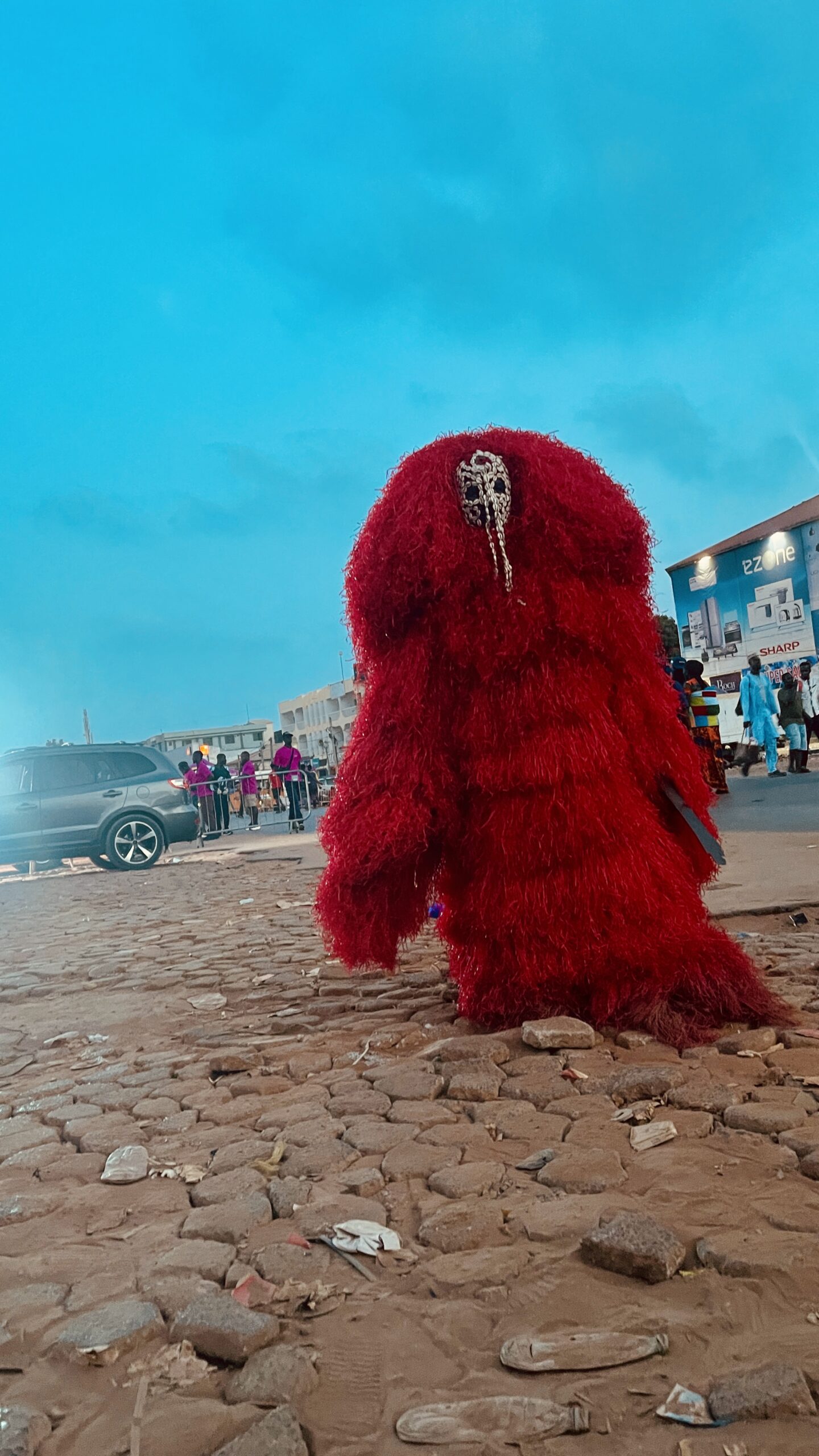
I encountered this masquerade during Nyokon Nyor, an Africell programme in The Gambia.
Suddenly, an ordinary public space became something completely different.
People gathered. Cameras came out. Attention shifted toward the masquerade.
What interested me wasn't only the costume. It was the atmosphere around it. The curiosity. The movement. The crowd.
The way culture can transform an ordinary moment into an experience people stop to witness.
I photographed it because documentary photography allows me to preserve more than an object or a person. It allows me to preserve the atmosphere surrounding them.
This frame reminds me that culture is not always found behind glass or inside a museum. Sometimes, it walks right into the middle of the street.
The Building That Remembers.
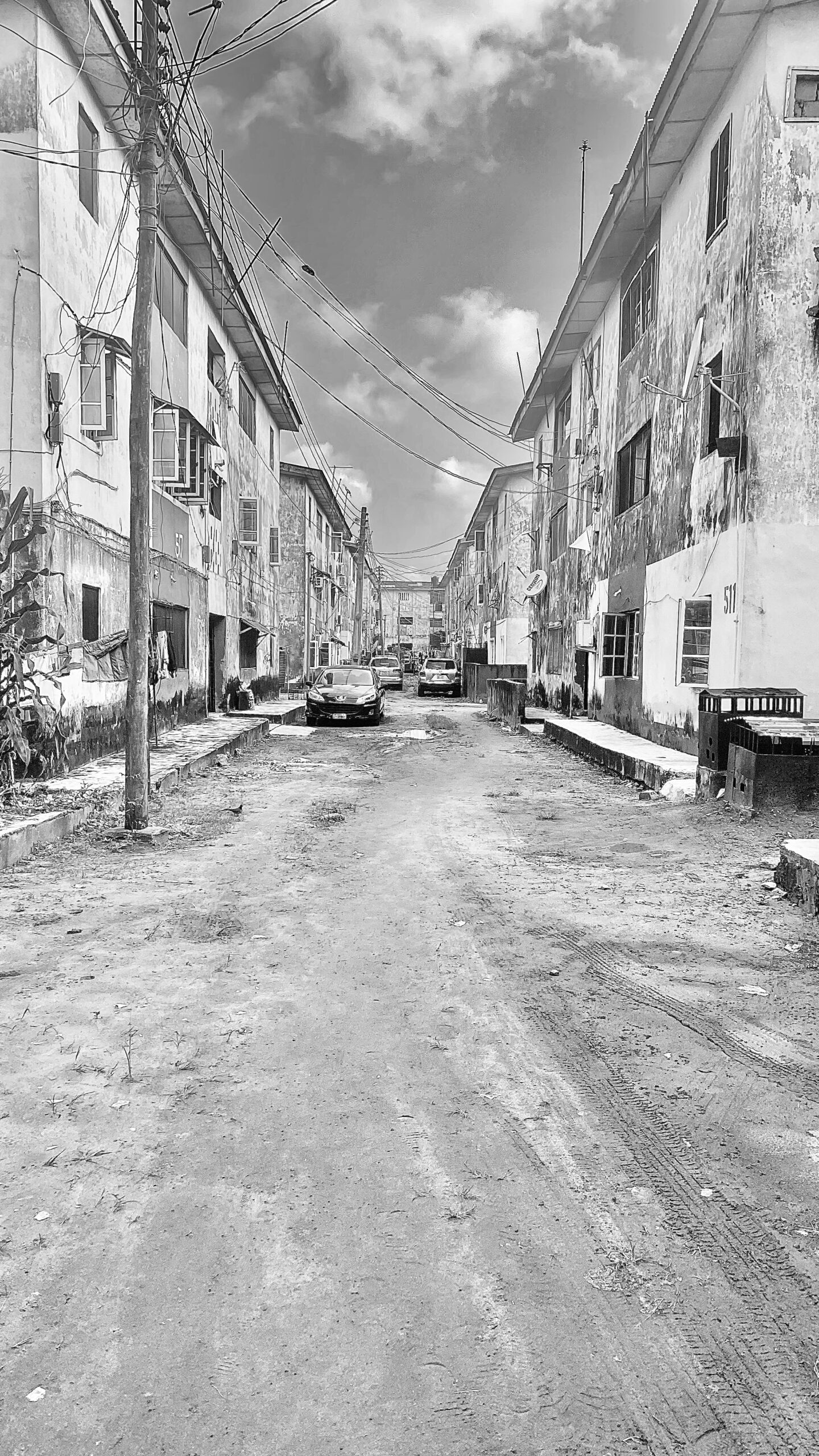
Abesan Estate, Lagos.
Some buildings are more than structures. They become witnesses.
This building has stood here for decades, watching a community change around it.
Generations have passed through these streets. Children have grown up. Families have moved in and moved on.
The city has changed around it, but the building remains.
I photographed it in black and white because I wanted to remove some of the distractions of the present and allow its age, texture and character to speak.
A building can hold history without saying a word.
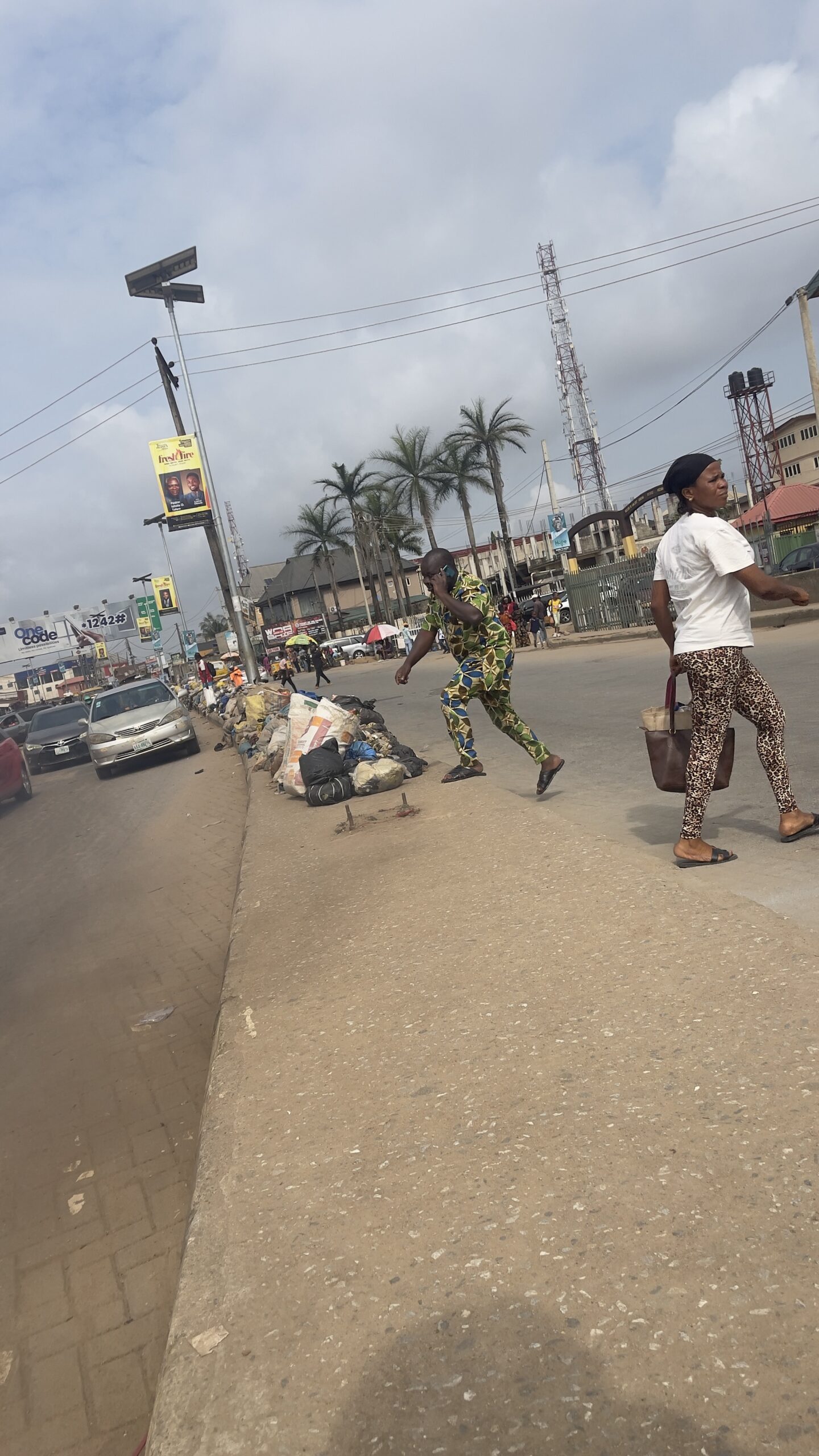
When A Community Learns To Live With Waste.
Abesan Gate, Ipaja.
I remember passing this area and noticing something that was difficult to ignore.
Waste had become part of the environment.
People were still walking. Cars were still moving. Businesses were still operating. Life was continuing around it.
And perhaps that is what disturbed me most.
When something remains around us long enough, we can begin to treat it as normal.
Documentary photography gives me a reason to stop and look again.
Not simply to photograph what is beautiful, but to document what is happening around us.
This photograph is not just about rubbish on a roadside. It is about what happens when a problem becomes part of the scenery.
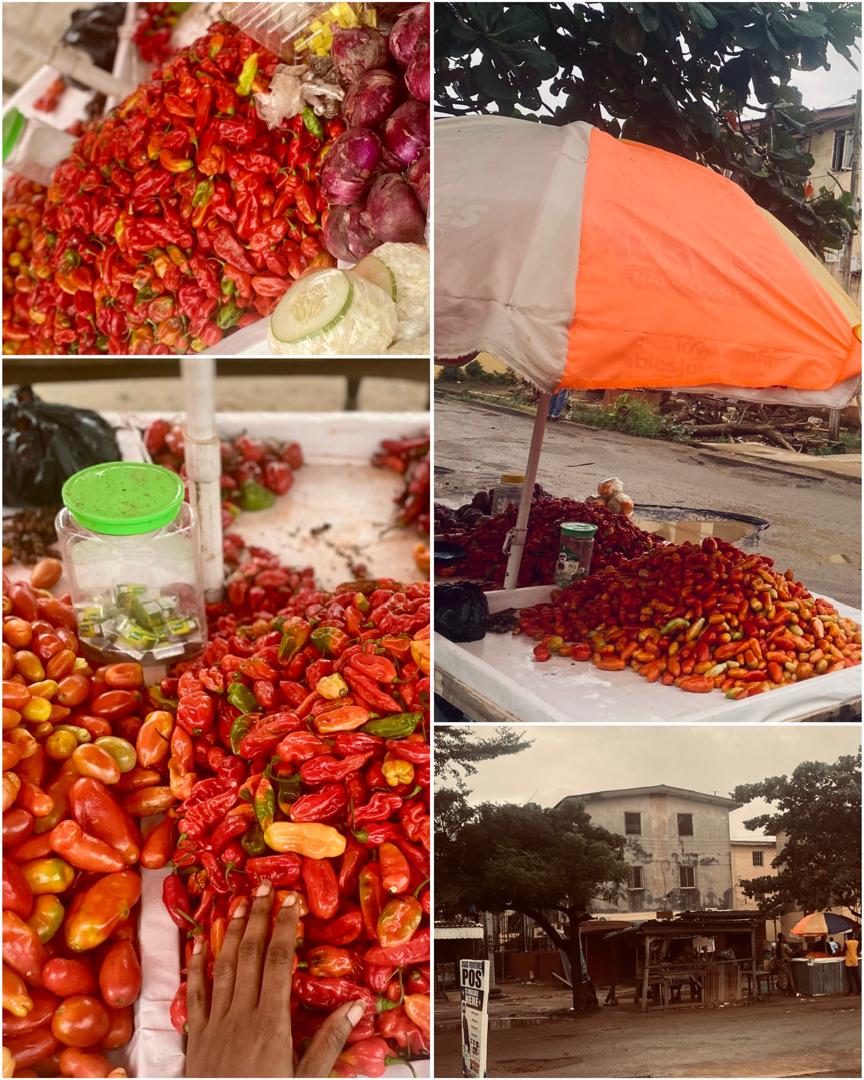
The Man Who Keeps The Kitchen Moving.
In many Nigerian neighbourhoods, there are people whose presence quietly becomes part of everyday life.
This man is one of them.
He sells pepper, Maggi and other small kitchen essentials to people around the neighbourhood. Things that may seem insignificant until you need them.
You don't always have to travel all the way to the market. You can simply walk over, buy what you need and get back home.
That is the quiet importance of these small neighbourhood businesses.
They are not just selling products. They are serving a community.
I photographed him because documentary photography is also about paying attention to ordinary people doing ordinary things that keep everyday life moving.
Sometimes, the story is not somewhere far away. Sometimes, it is right outside your door.
The Bird That Made Me Stop.
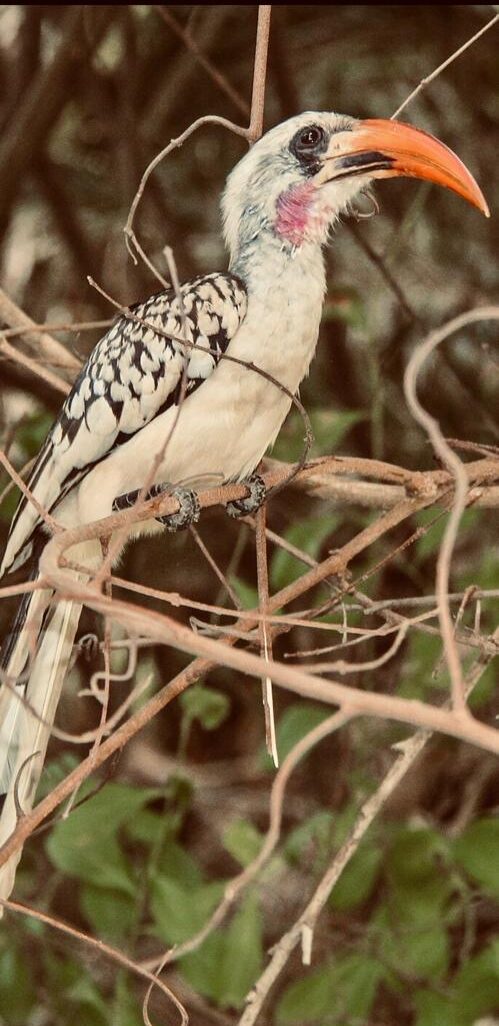
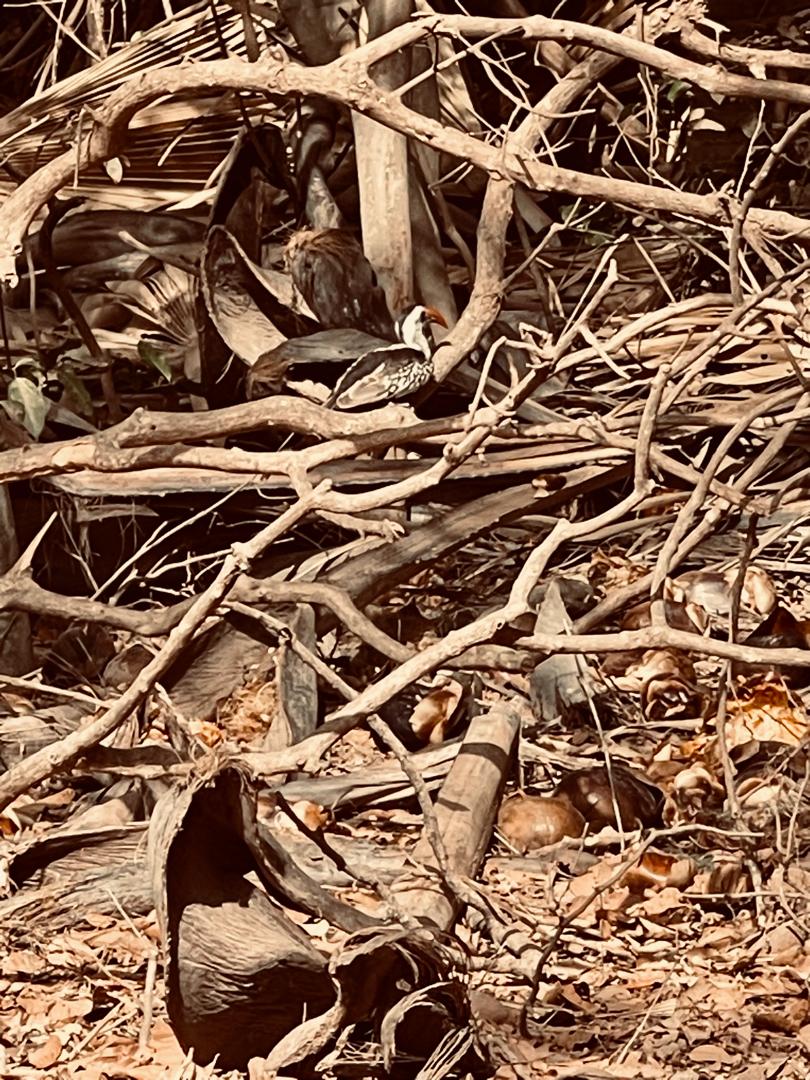
I was walking through Bijilo Forest Park when I noticed this bird moving quietly among the trees. I stopped to watch. What caught my attention was not only the bird itself, but the environment around it. The branches, the dry leaves, the layers of vegetation and the movement hidden within the forest. This second frame became important to me because it shows where the bird belongs. It is not simply a photograph of a bird. It is a photograph of a moment within an ecosystem. Photography has taught me to slow down and look beyond the obvious. Sometimes you enter a place expecting to photograph something specific. Other times, the place gives you something you weren't looking for. That day, I found myself watching a bird. And for a moment, the forest made me stop.
Above The Forest.
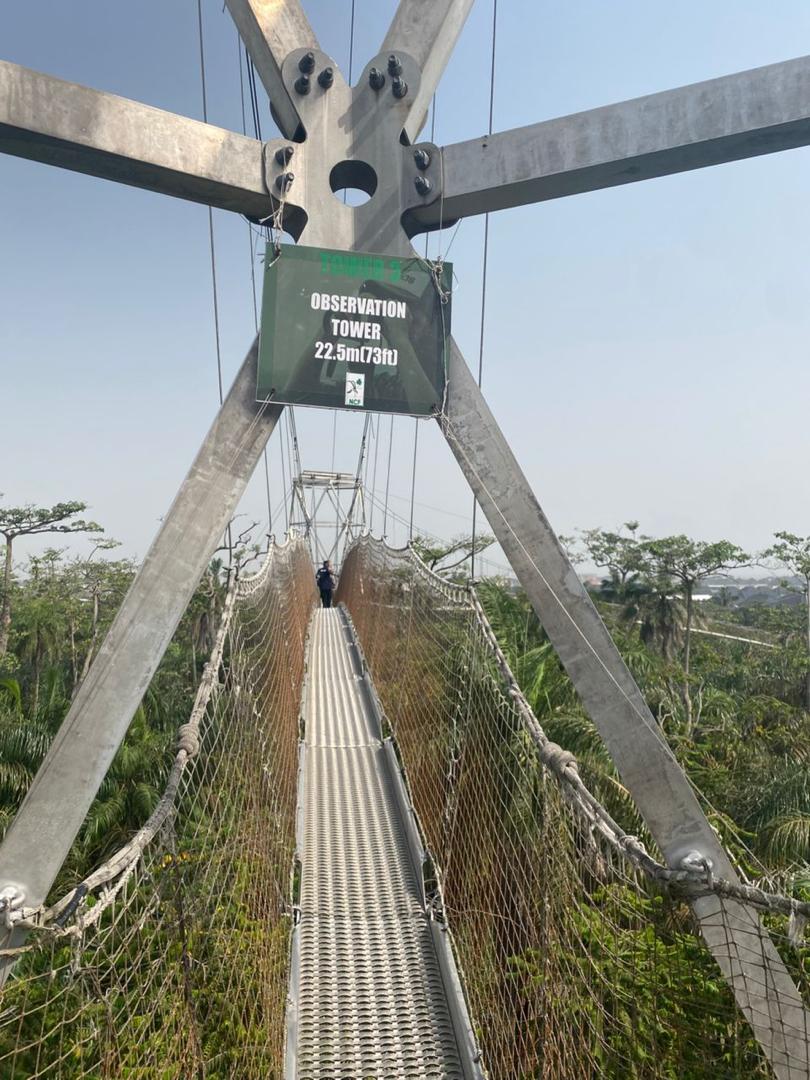
There is something different about seeing the world from above.
Standing here, surrounded by trees and suspended above the forest, I was reminded how easily perspective changes when you change your position.
From the ground, the forest feels dense and almost endless. From above, you begin to see how everything connects.
The walkway becomes a path through the canopy. The trees become a landscape. And for a moment, the noise of everyday life feels very far away.
I photographed this because travel photography is not only about recording where you went. It is about remembering what it felt like to be there.
The Typewriter.
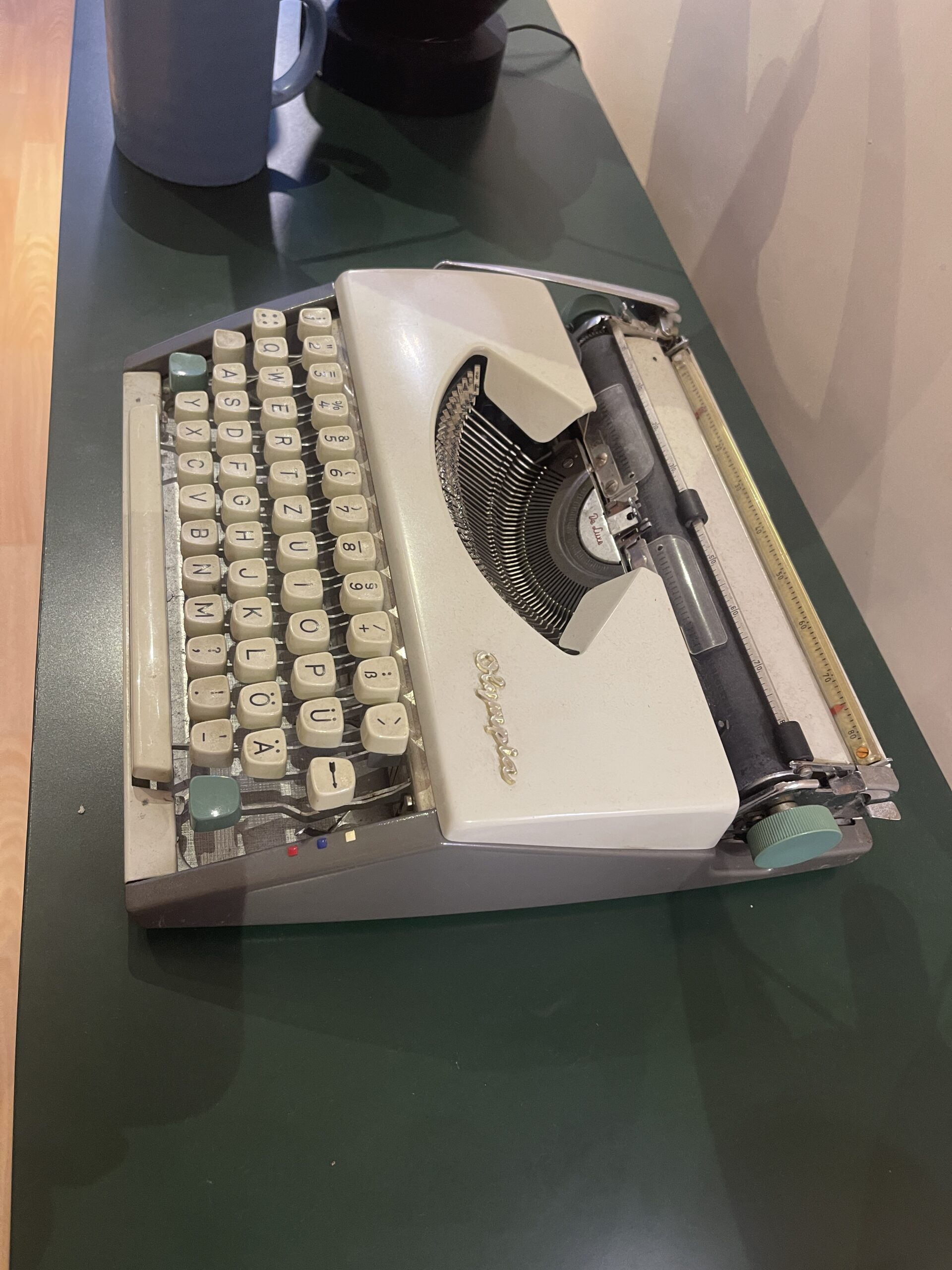
Before screens, before keyboards, before the convenience of deleting a sentence with one tap, there were machines like this.
A typewriter.
Every word required intention. Every mistake had consequences. You couldn't simply highlight a sentence and press delete.
You had to think. You had to press each key. You had to watch the words appear one character at a time.
I photographed this because objects can carry stories too.
A typewriter is more than an old machine. It represents a different relationship with words, time and creativity.
Today, we create faster than ever. But sometimes, looking at something from another era reminds us that there was beauty in taking our time.
The Things We Almost Walk Past.
Documentary photography has changed the way I see. It has taught me to pay attention to the ordinary, because ordinary moments often carry extraordinary stories. A market. A stranger. An old building. A bird in the forest. A roadside. A typewriter. A moment of culture. A place that would otherwise become another memory.
I don't want my photographs to simply show you what I saw. I want them to make you stop. Look again. Feel something. Ask a question. Remember a place. Remember a person. Remember a moment.